Muskmelons are often called cantaloupes, but they're not the same botanical variety. True cantaloupes are rarely grown in North America. Winter melons include honeydew and casaba. Like all cucurbits, melons need bees for pollination.
Where to Grow Melons:
Because melons require a long, warm growing season, their best yields occur in the southern United States (or similar), where there is ample growing time. Home gardeners in cooler regions can usually do fairly well with melons if they start their seeds indoors a month or more ahead of planting out doors, but the vines need consistently warm days and nights to thrive. Melons are a warm-season crop, very tender to frost and light freezes. Plan an average of 2-6 plants per person. Melons generally take up enormous space, and should not be considered for the small vegetable plot. There are compact varieties that produce tasty and prolific fruits. Watermelons and honeydew melons both mature in about 80-100 days of warm weather to mature properly, with smaller personal varieties being on the shorter end of that spectrum. Cantaloupes typically mature in about 75-85 days.
Soil for Melon Growing:
A sandy, light loam deeply enriched with manure and compost is ideal. Soil must be just slightly acidic: pH 6. Since the vines are planted in hills, good yields are realized by working a spade full of well-rotted manure and fertilizer such as bone meal into each hill before planting. Prepare raised planting hills within wide rows or along your garden's edge. Space 3 foot wide hills 5 to 6 feet apart. Work the soil to a depth of 12", and work in some compost (preferably from cows, horses, or poultry). Use a rake to shape the hills into 4-6" high, flat-topped mounds and water well. Melon rinds are good for compost; they decompose rapidly and are high in phosphorous and potassium.
Planting Melons:
Germination in 7-10 days.
When -
Because of the long growing season, start plants indoors 4 to 5 weeks before outdoor planting time. The soil must be warm and the weather settled with warm days and nights, as the plants are sensitive to cool. If nights are cool, use hot caps to protect the plants. Melons can be sown directly outside, but some gardeners report better germination with presprouted seeds. Consider adding a row cover outdoors, which can be removed a week after plants begin to bloom. The row cover will help by raising the temperature, taming wind, and excluding insects.
How -
If you start melons indoors, use individual cells or peat pots, not flats, as the roots are too succulent to divide. When you direct sow, plant 4-5 seeds in a hill and then thin to the appropriate spacing. The appropriate spacing will depend on whether you train them on a trellis or let them spread on the ground. For direct sowing and transplants, cover seedlings with hot caps to protect from frost, speed up their growth, and keep out pests. The vines do best if planted in hills. Rows and hills should be set 5 to 6 feet apart each way, with 2 or 3 plants per hill. Thin to the 2 strongest plants in a week.
How Melons Grow:
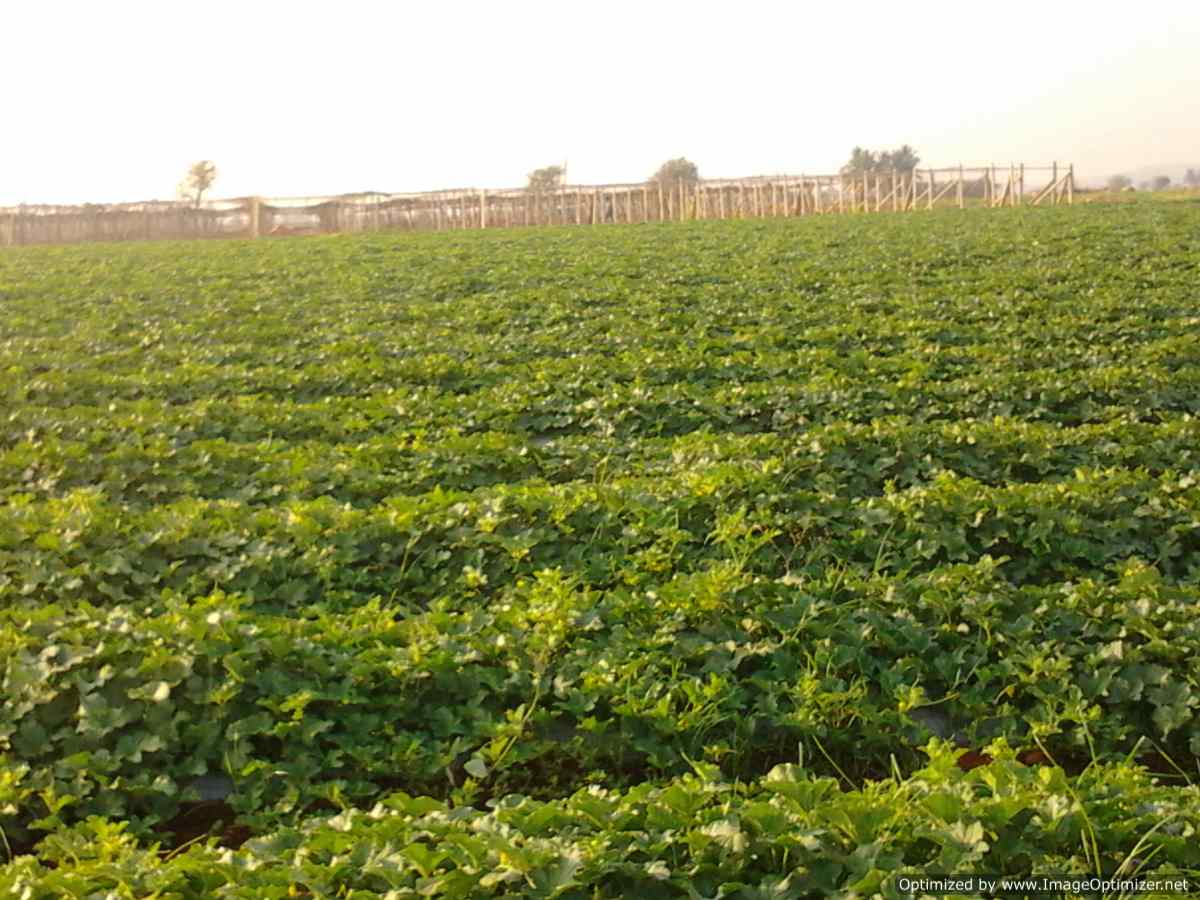
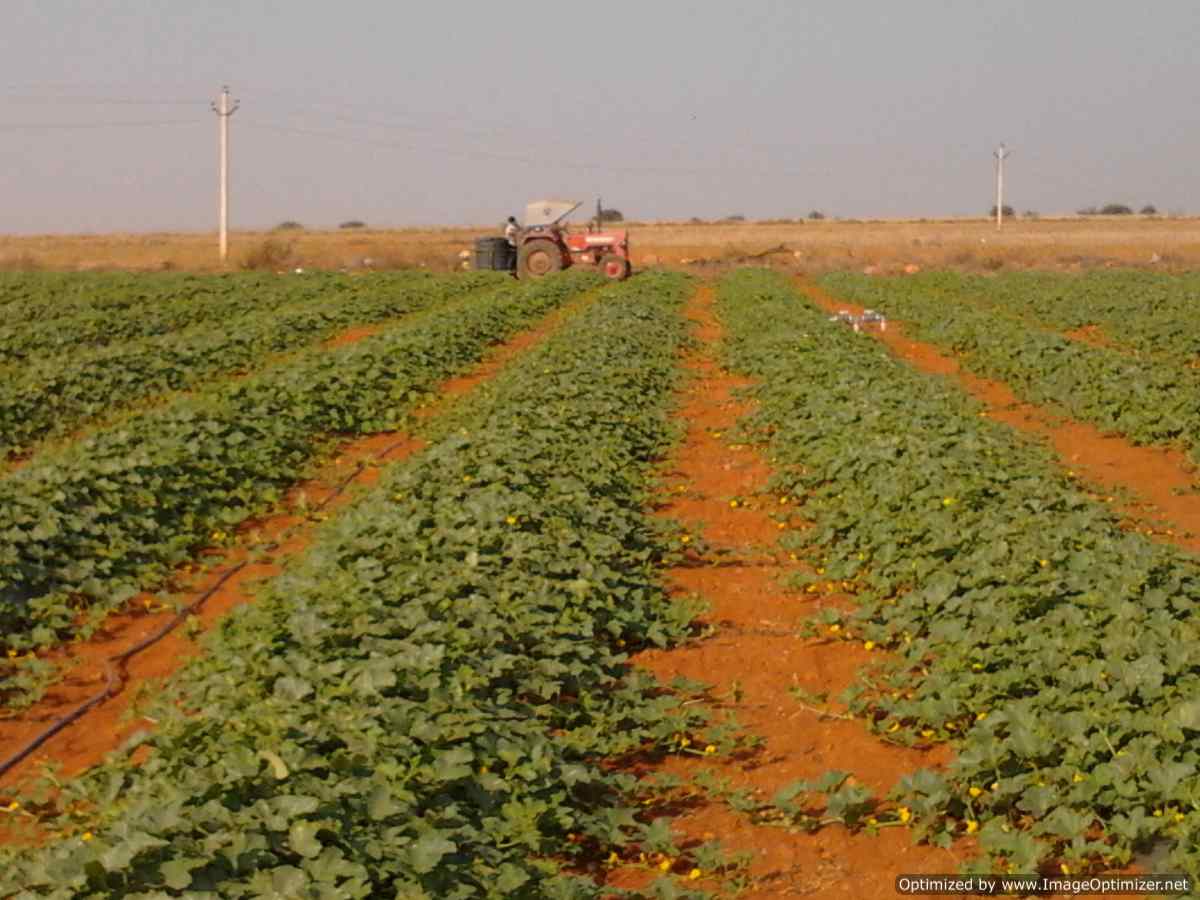
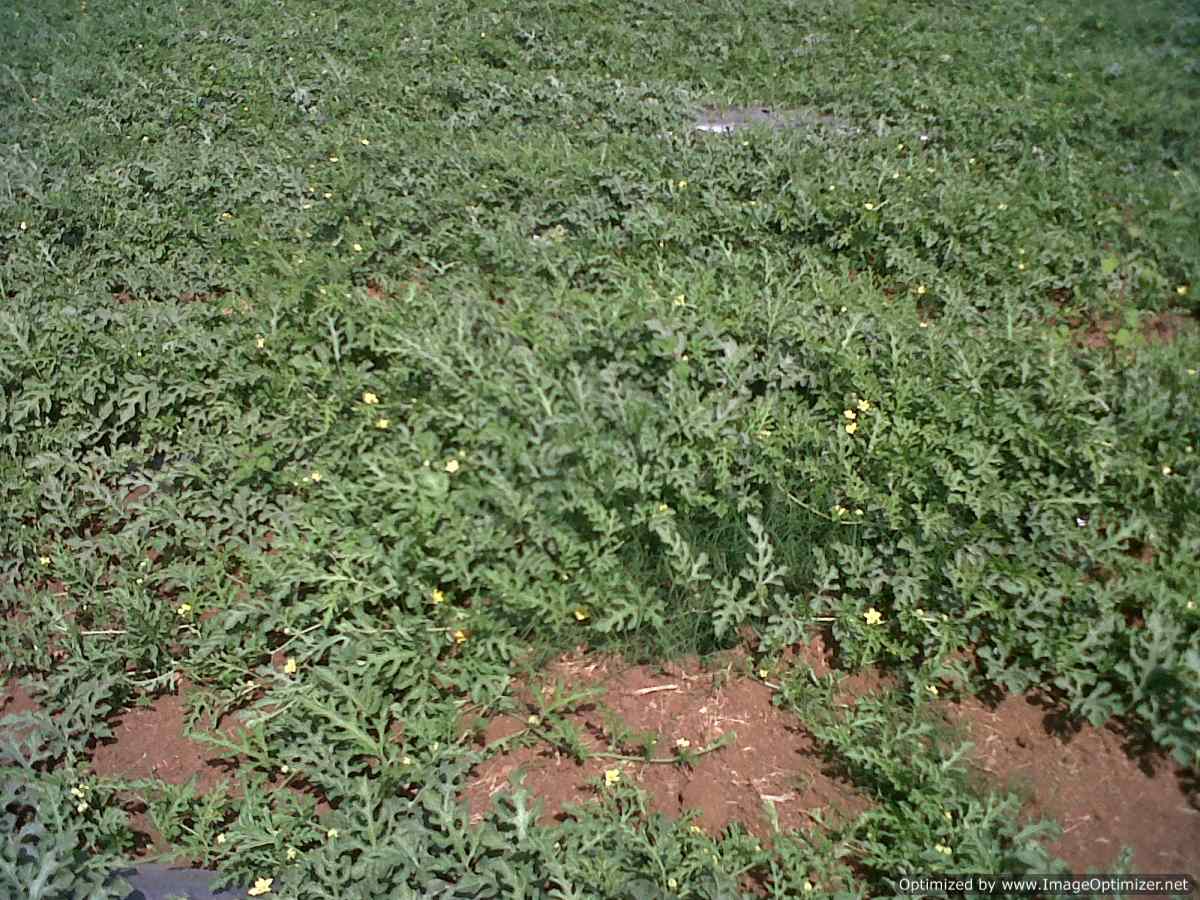
Melons grow extensively broad, ground hugging vines with soft, attractive foliage. The flowers appear quite suddenly, and it is interesting to watch the tiny melons start to develop after the flower petals drop.
Cultivating Melons:
To encourage side shoots, when seedlings have 3 leaves, pinch out the growing end. When new side shoots have 3 leaves, pinch out the central growing area again. When fruits begin to form, pinch back the vine to two leaves beyond the fruit. Make sure fruits on a trellis are supported by netting or pantyhose, and fruits on the ground vines are elevated by empty pots to prevent disease and encourage ripening.
The vines are heavy feeders, and also need adequate moisture as they start to develop. Troughs near the plants can be flooded for effective watering. For fertilizer, give each hill about 1/2 cup of 5-10-5 fertilizer, liquid manure or fish emulsion 3 weeks after planting, and again (if you can find the original hill) after flowers appear. Keep the hills well watered up to the time fruit starts to fill out. Since weeding and cultivating are such problems with sprawling vine crops, black plastic or thick mulch proves an excellent aid to keeping weeds out, soil moisture in, and melons off the ground as they develop. The plastic mulch should be placed on the ground and anchored before planting, then central holes cut for the hills, with a few extra slits to let rain and hose water filter through.
Harvesting Melons:
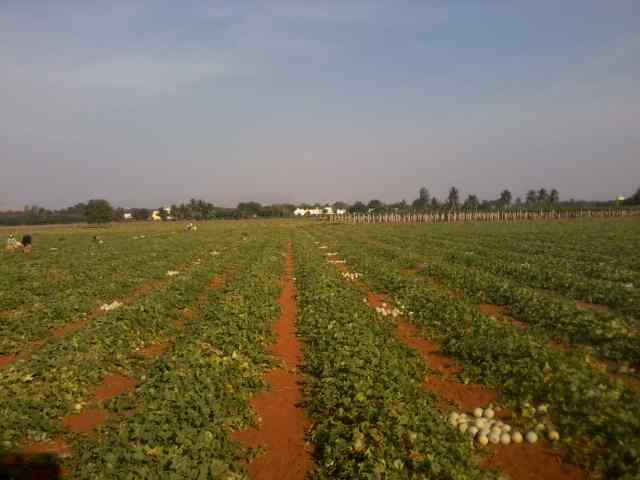
Harvest melons at the peak of freshness for best results. Waiting too long gives you nothing but a mealy mess, not waiting long enough means you might have to throw an inedible treasure out to the chickens.
3-3 1/2 months for cantaloupes; 3 months for midget watermelons.
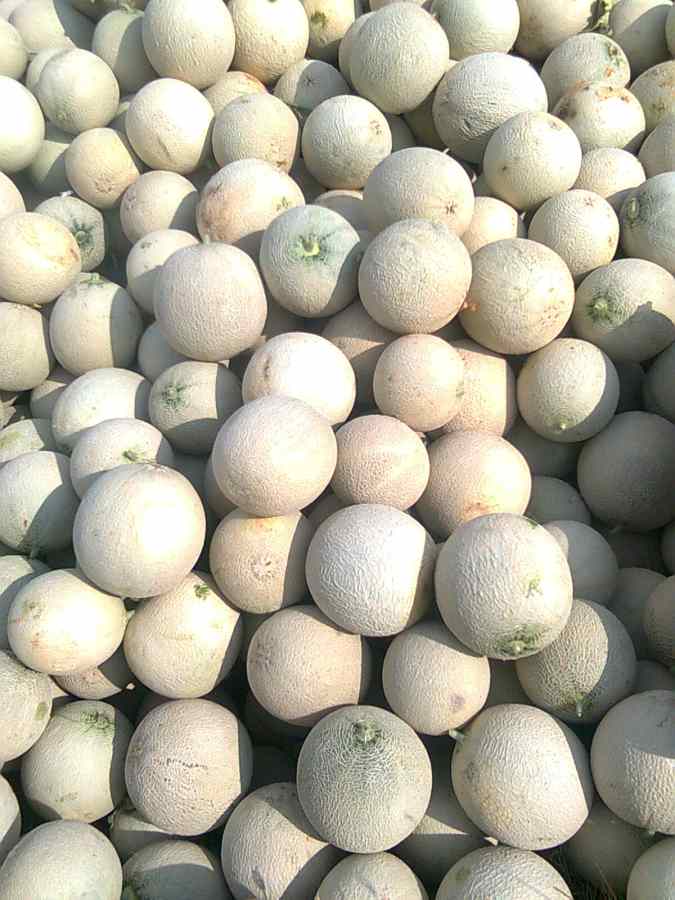
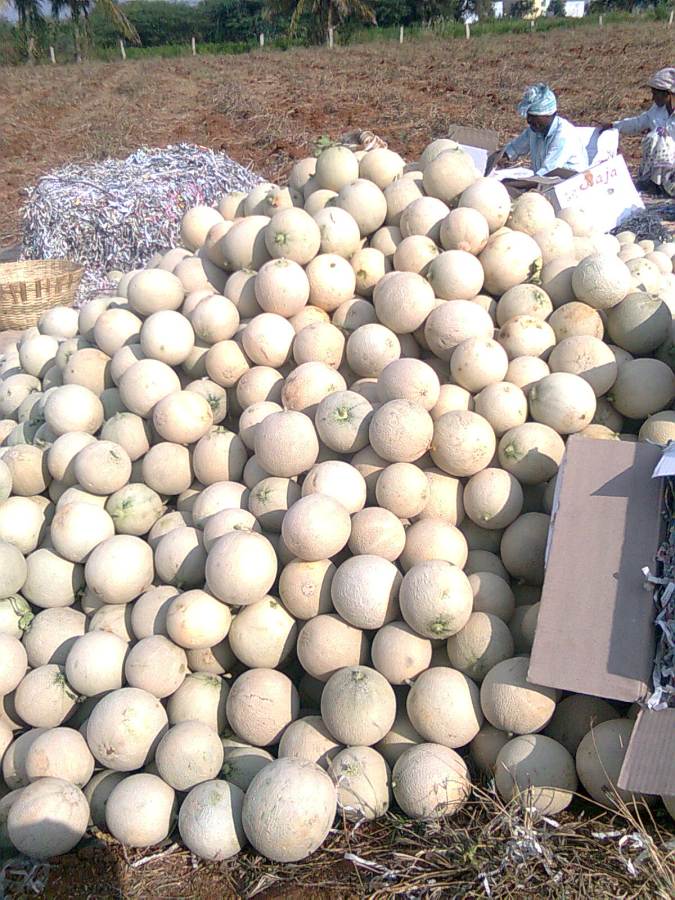
- Cantaloupes - The easiest way to tell if they are ripe is a color test. The flesh between the netting turns from green to tan. Smooth skinned types will lose their fine peach hairs and begin to feel waxy. Also, if the melon slips off the vine easily with a gentle tug, it is probably ripe. As will all melons, they should smell fruity and lush at the blossom end when ripe.
- Watermelons - Check the tendril nearest where the fruit connects to the vine. When it starts to shrivel and turn brown, the melon is usually ripe. Also examine the rind where the melon rests on the soil. If the spot is yellow, it is probably ripe. If the spot is green or white, it probably hasn't fully ripened yet.
Melon pests:
Protect melons from weeds, pests, and disease. Although weeds won't grow directly under black plastic, they will pop up in the holes you've made for plants and in between rows. If you've used a row cover, you'll discover that weeds, as well as melons, have taken advantage of its benefits. I eliminate these competitors while they are still young and too little to adversely affect my plants.
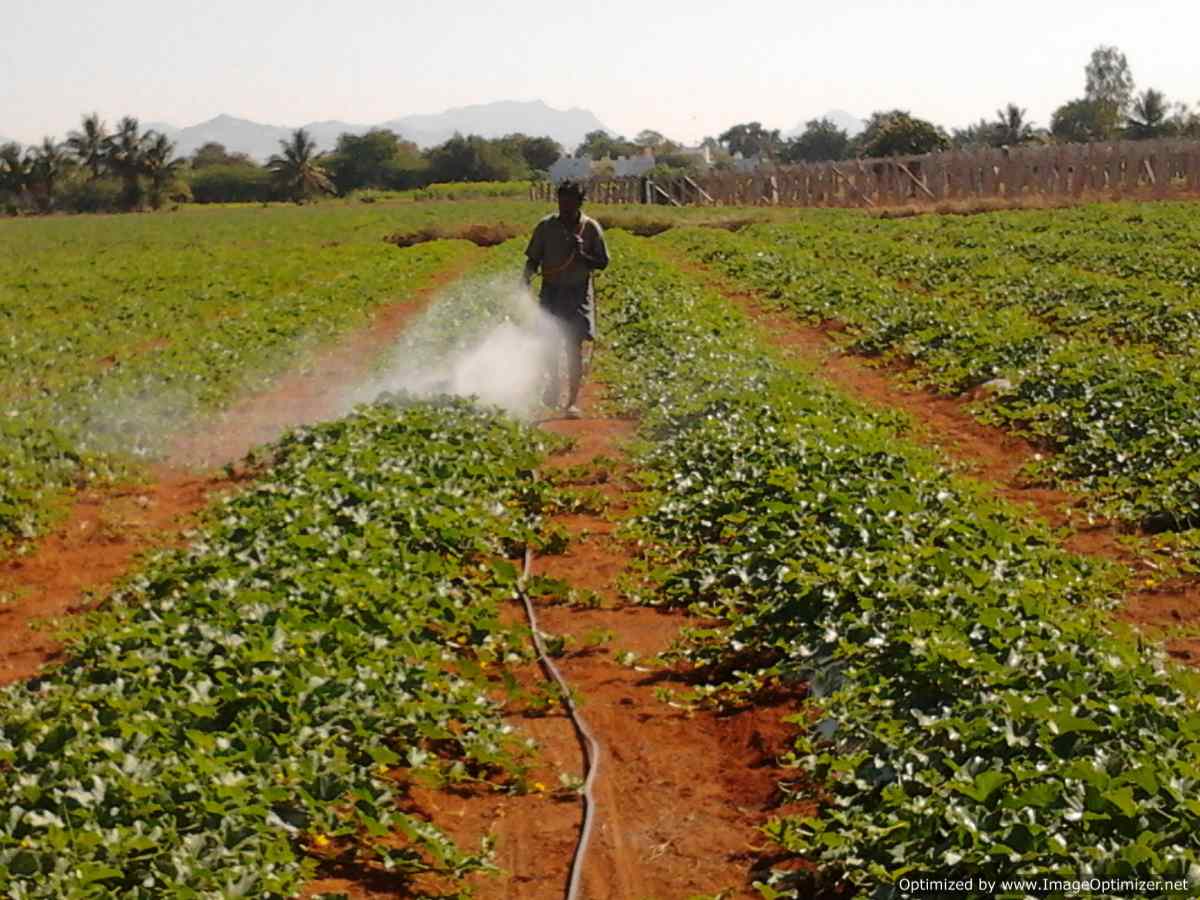
Striped cucumber beetles are pernicious pests in my garden. They arrive in June and damage melons by chewing on plants and spreading bacterial virus. Adult beetles are yellow, 1⁄4 in. long, and have three black stripes on their wings. Sprays and biological controls are available to curtail these nasty bugs. If you don't want to use pesticides, row covers offer some protection.
Powdery mildew is another problem. This talcumlike growth first appears in July as small white spots on older melon leaves. These spots grow and spread. Because powdery mildew reduces the photosynthetic capability of plants and thus sugar production, it causes melons to be less sweet. Of my varieties, only 'Summet' is tolerant to this disease. But all is not lost if powdery mildew gets into non-resistant varieties. Your first crop of melons will be well established before the mildew takes hold. The negative effects, therefore, will be more pronounced on later fruit