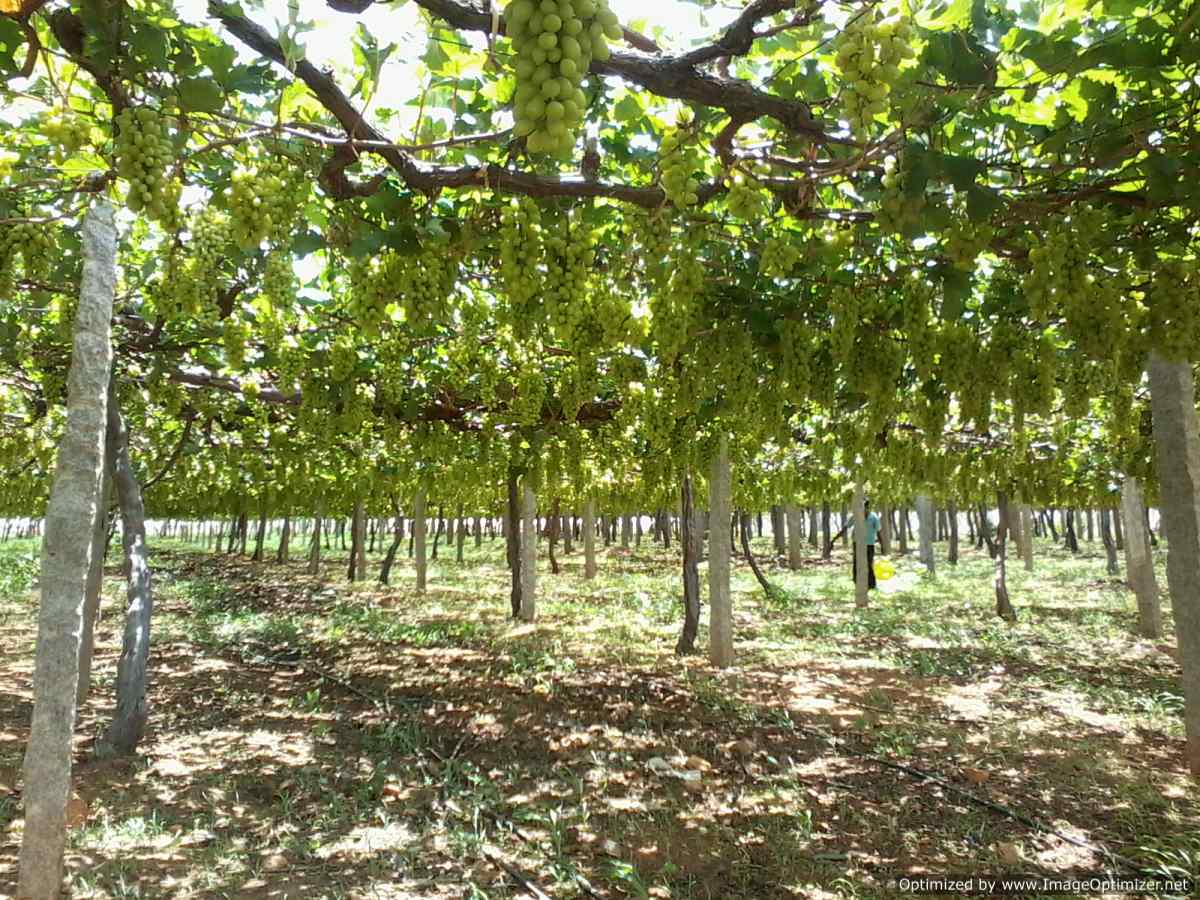
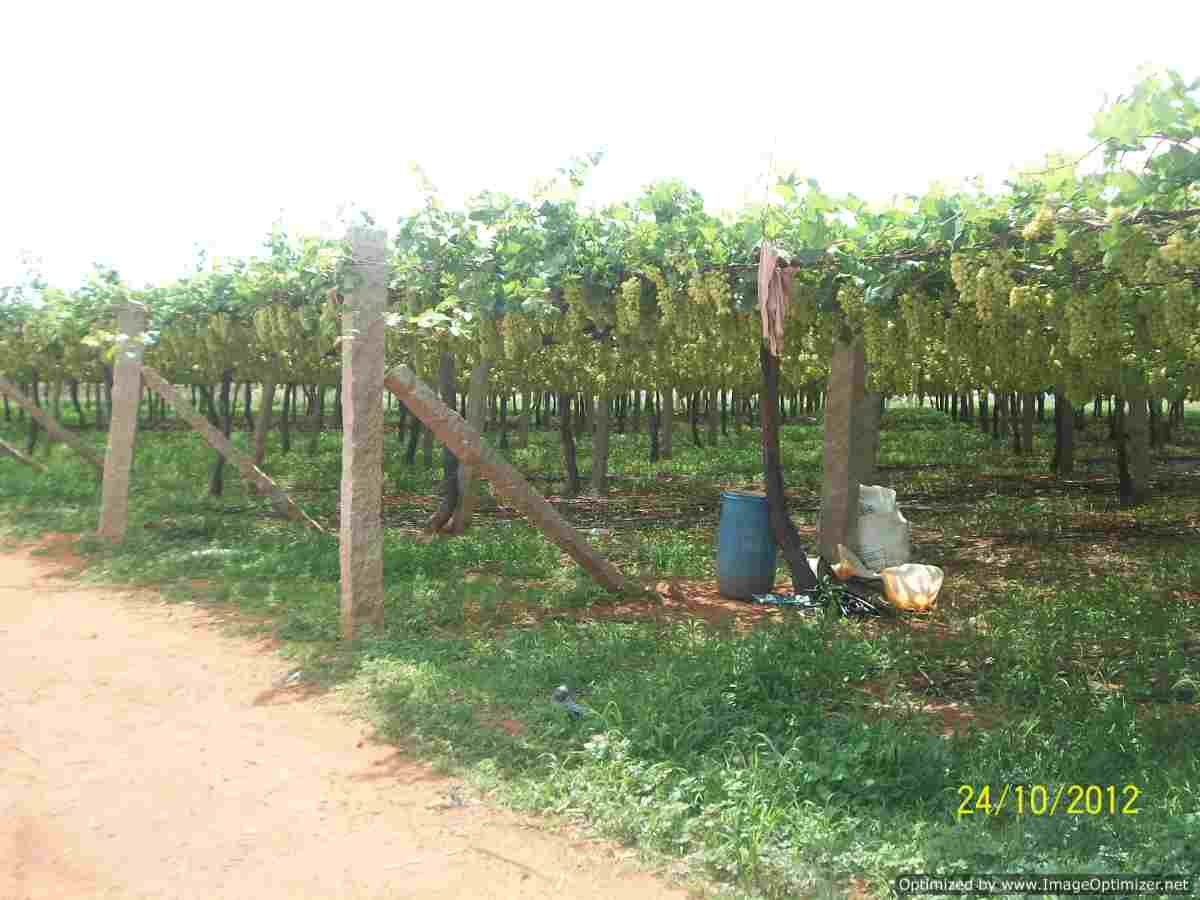
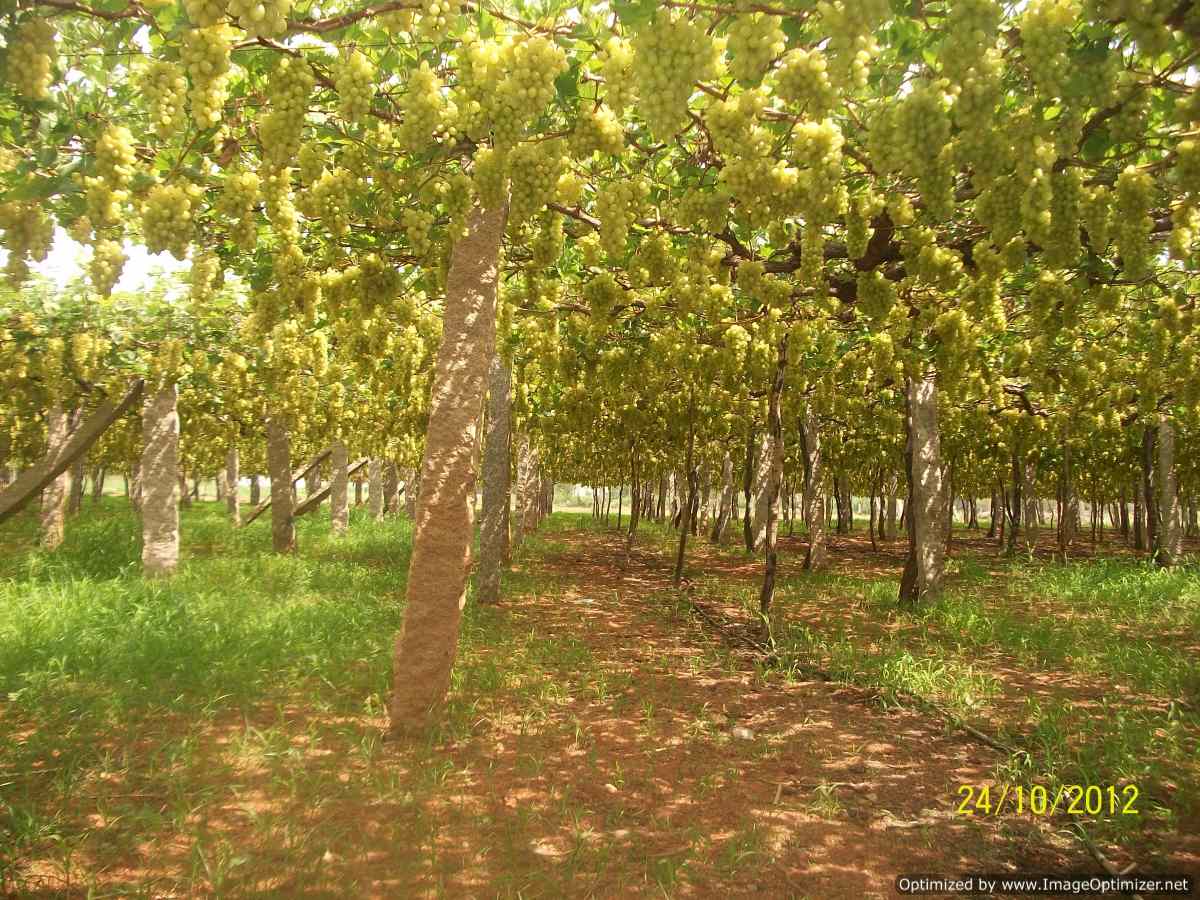
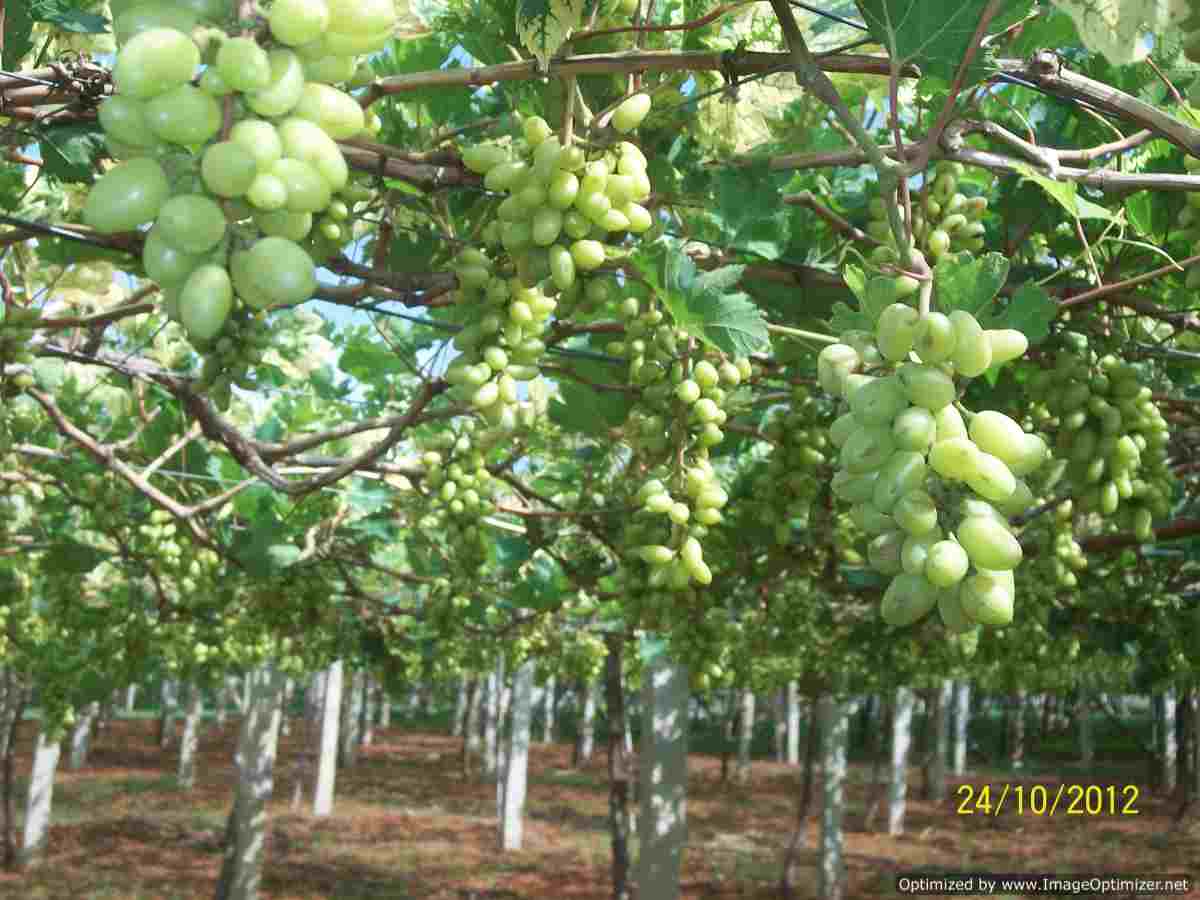
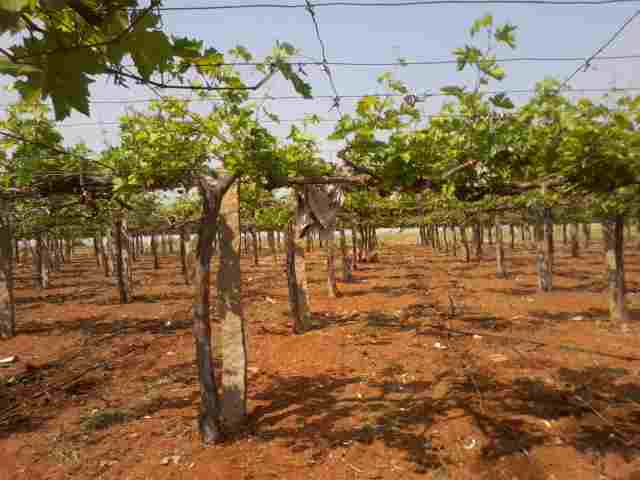
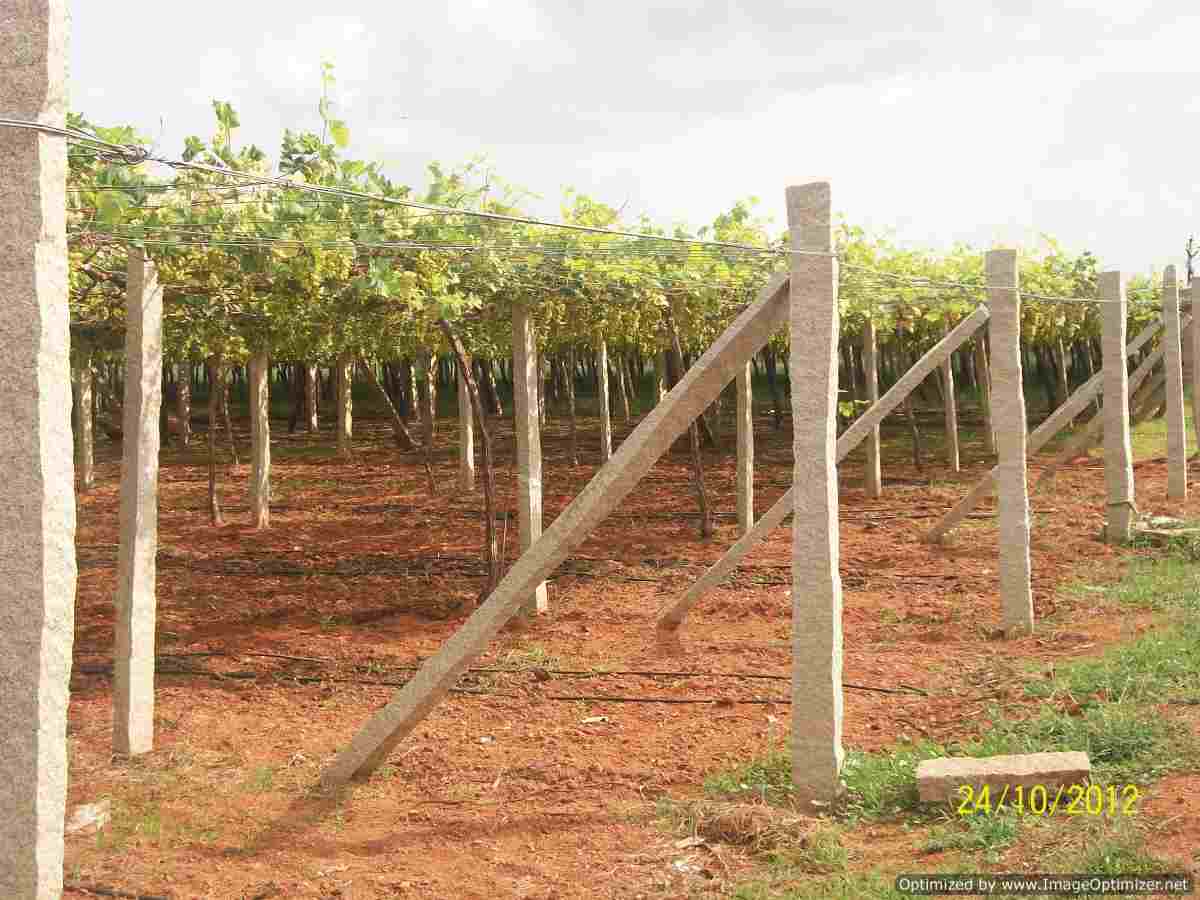
Grapes, a long season crop, are often ignored in home gardens, and yet are one of the most widely produced fruits in the world. Grapevines not only produce sweet and versatile fruits, they add an element of drama to a garden or landscape. They are vigorous growers, and with the proper pruning, they will produce fruit with ease and can last longer than 30 years.
Planting:
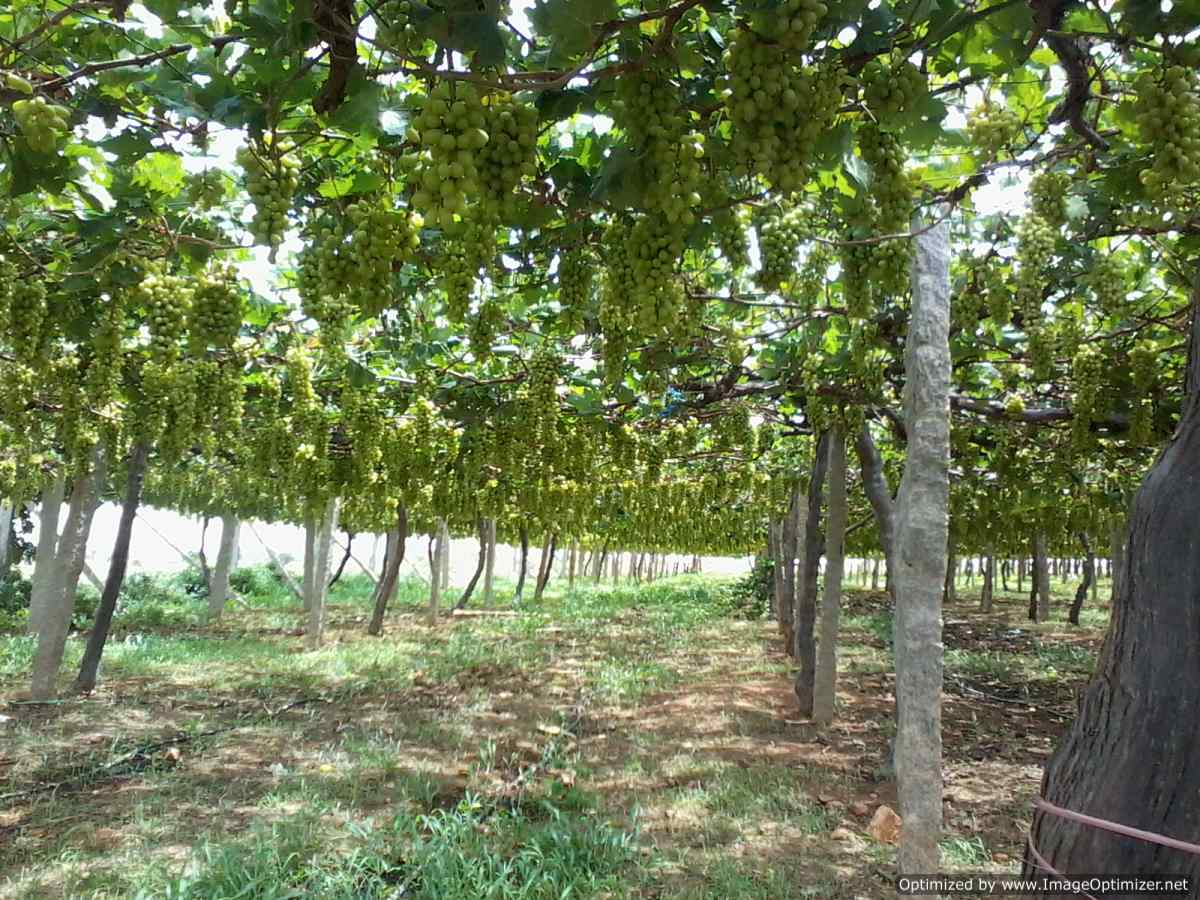
- Construct a trellis or arbor before planting. Grape vines will need to be trained to some sort of support to grow upward. This will also cut the risk of disease.
- Most grape varieties are self fertile. To be sure, ask when you are buying vines if you will need more than one plant to for pollination.
- Plant grapes where there is good air circulation.
- If you don't have a spot with full sun, make sure it at least gets morning sun. A small amount of afternoon shade won't hurt.
- Dig a hole large enough to give the new vine at least 1 1/2 feet of loose soil in all directions for the roots to expand.
- In the spring, place vines 8 feet apart in 12 inch deep holes. Space rows 10-12 feet apart.
- Water at time of planting.
Care:
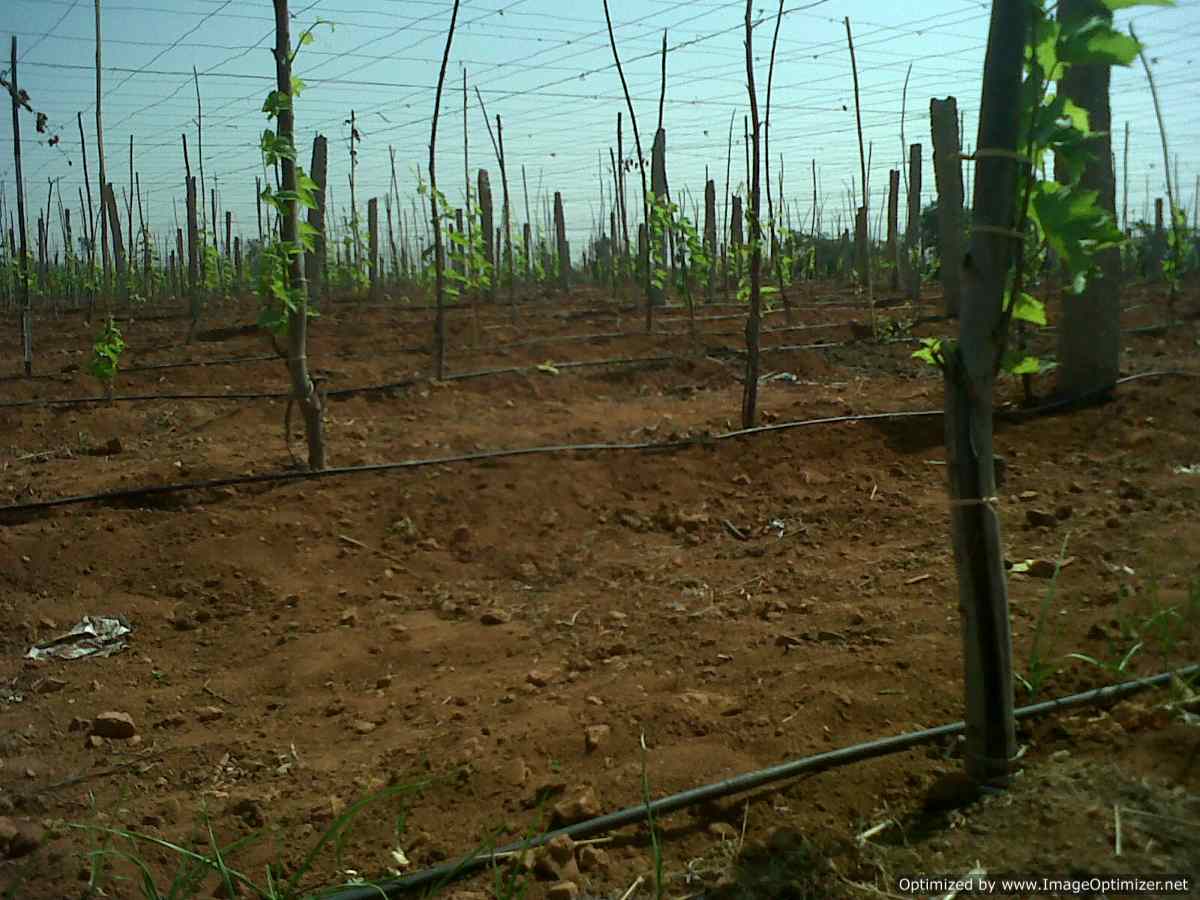
- In the first couple of years, the vine should not be allowed to produce fruit. It needs to strengthen its root system before it can support the extra weight of fruit.
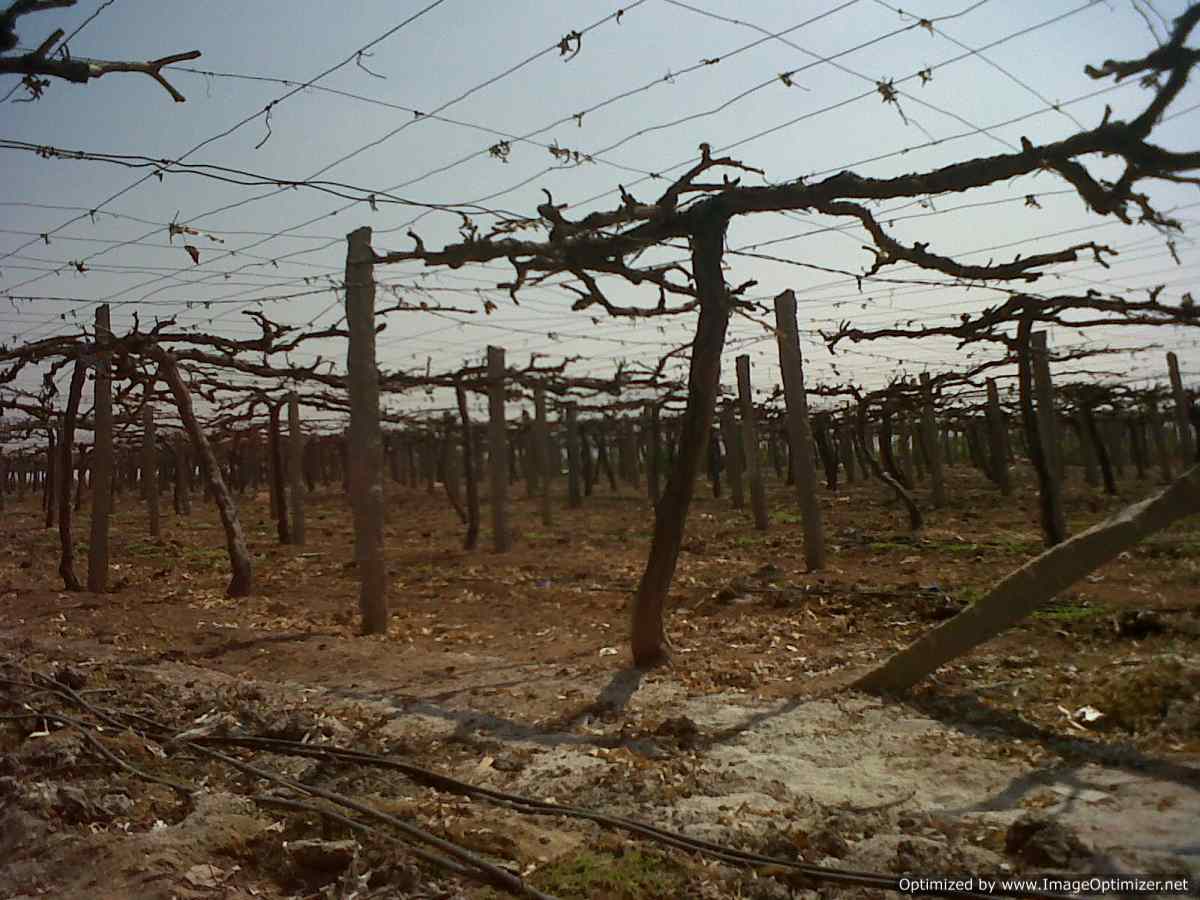
- Pruning is important. Not only would vines run rampant without control, but canes will only produce fruit once. Prune when vines are dormant, in March or April. This is before the buds start to swell, but when winter damage is apparent.
- Don't be afraid to remove at least 90 percent of the previous season's growth. This will ensure a higher quality product. Remember, the more you prune, the more grapes you will have.
- In the first year, cut back all buds except for 2 or 3. Then, select a couple of strong canes and cut back the rest. Make sure the remaining canes are fastened to the support.
- In the second year, prune back all canes. Leave a couple of buds on each of the arms. Remove flower clusters as they form.
- Fertilize lightly in the second year of growth, or more if you have problem soil.
- Use mulch to keep an even amount of moisture around the vines.
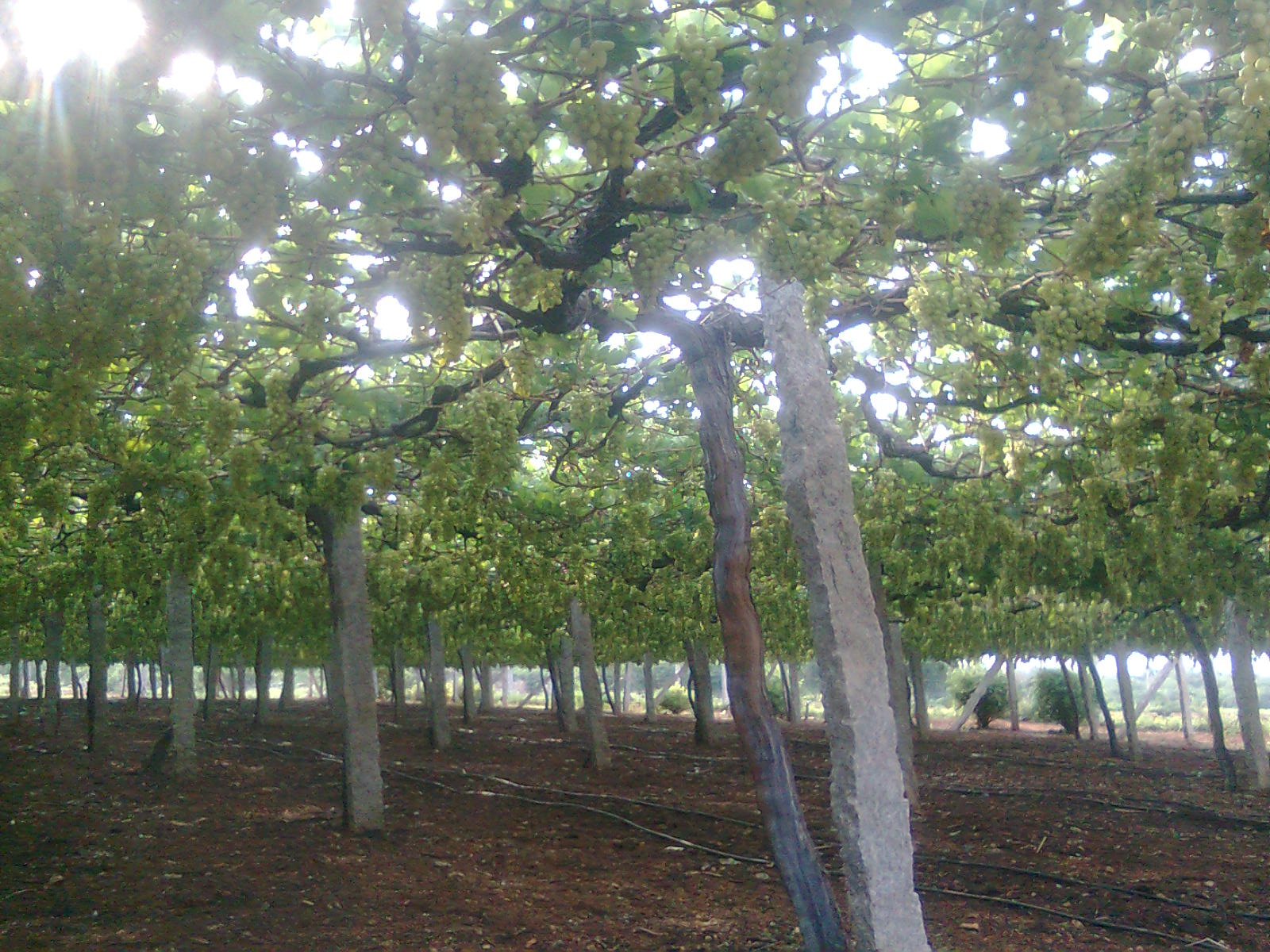
- A mesh net is useful in keeping birds away from budding fruit.
Determine if Grapes are Mature :
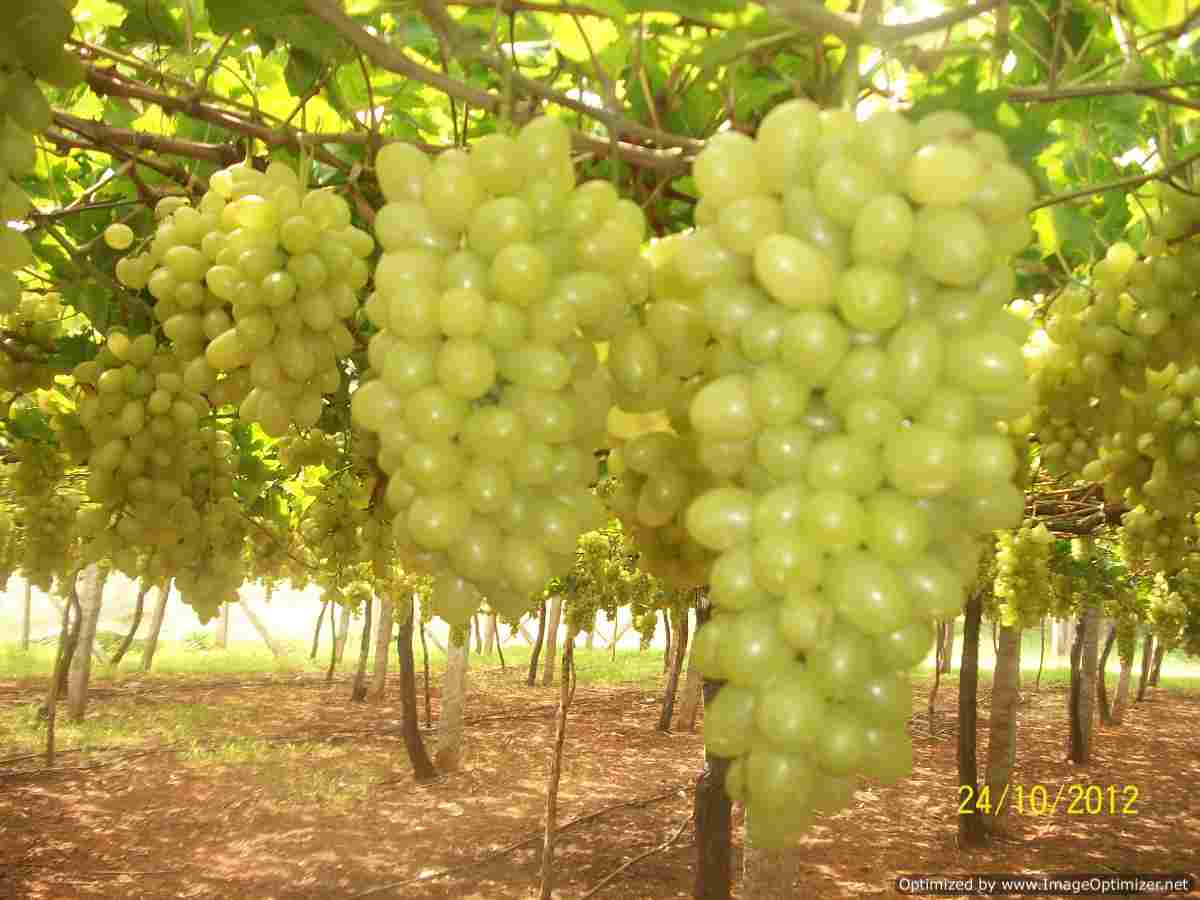
Remember, grapes must be mature before you can harvest them. You need to be very careful in judging whether your grapes have reached maturity or not, because unlike other fruit, grapes will not continue to ripen once they are removed from their vines. Harvesting growing grapes will ruin your entire crop. Since there is no particular way to know for sure if grapes have ripened, a numbers of factors are taken into account. These are:
Skin and Seed Color Change:
Harvesters check the changes in the color of outer skins of grapes as a sign of maturity. Some grapes turn from green to blue, or red and white. However, there are some varieties of grapes where color change is so light that chances of missing it are high, so this should not be the only consideration. Seed color changing from green to brown is also a major consideration taken into account as a sign of maturity.
Berry Size:
Upon reaching maturity, grapes stop growing in size.
Tasting Grapes:
- Another way commonly used is to taste them right off the grapevine. They are ready to be harvested if they taste sweet.
- Once you are sure your grapes are mature, it is time to harvest them. Harvesting can be done by hand or machine, depending on the scale of the operation, although many commercial farmers still harvest by hand.
- Avoid Strong Sunlight
- If you wish to harvest by hand, make sure you do so on a day when the weather is decent. If it is hot ,make sure you have plenty of sun block, a big hat and a long sleeved shirt.
- Use Shears
- Use a pair of shears that fit your hands comfortably, that you have oiled and sharpened beforehand. Using a pair too large or too small can adversely affect your harvesting efforts.
- Clip Grape Clusters Carefully
- When clipping a grape cluster off the vine, do it carefully by pulling the cluster away from the vine with one hand, and cut with the shears in the other. Leave some stem on the cluster to help you handle the grapes easily later.
- Collect in a Tray
- Keep the grape clusters in a shallow wooden box or tray away from direct sunlight, and cover them if possible as you shear them.
- Store your harvested grapes in a cool, dry place. Make sure you wash them thoroughly before eating or cooking them.
- Machines are used to harvest grapes grown on a large scale or for commercial operations. These are either pull type or self-propelled. They provide the convenience of working at night when temperatures are at the lowest, and provide a cleaner harvest since suction fans remove any leaves from the grapes.